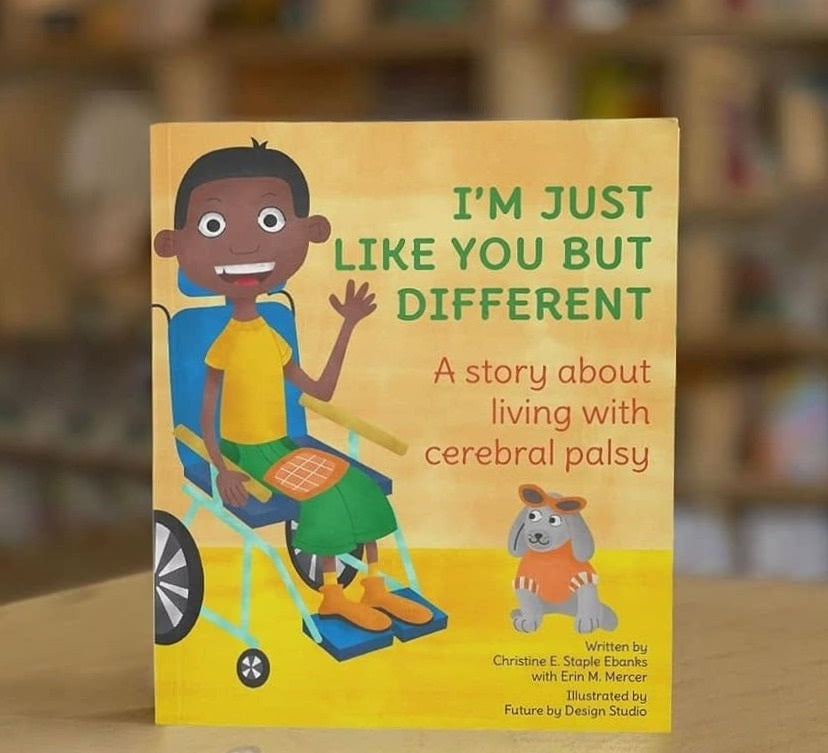
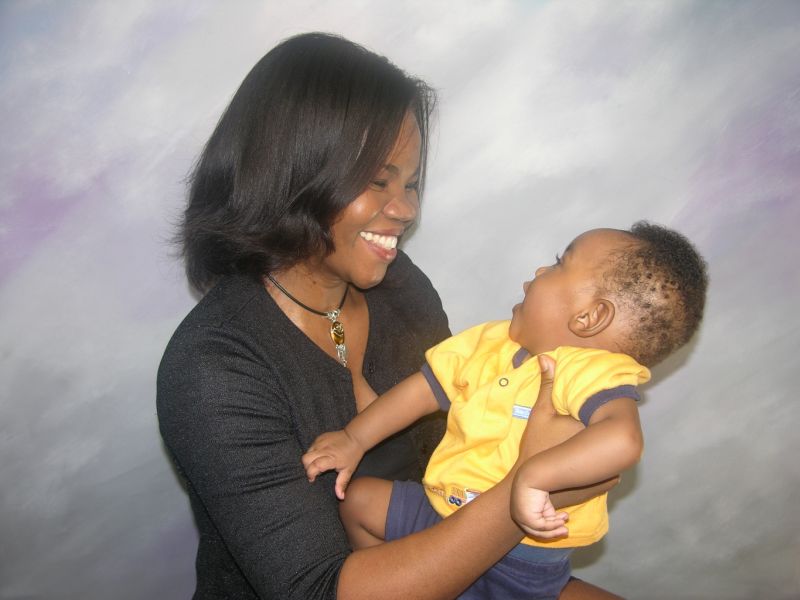
Nathan and his sister sharing a joyful moment at home.
The Lifelong “Now” of Parenting a Child with a Disability
For years, our house was loud, busy, and full. Robert and I raised four children, which meant that there was always someone coming or going, something happening in the kitchen, a conversation carrying from one room to another, or a situation that required our attention.
But seasons change, and children grow up. Our third-born went away to college, fell in love with her new city, and built a life there. Our second-born recently moved into his own place, and now our eldest daughter is preparing to step out on her own, too.
The bedrooms are slowly emptying. There are fewer voices in the hallways, fewer people moving through the kitchen, and longer stretches when it is just Nathan and me at home. As the house grows quieter, I am finding that the questions about the future are becoming louder.

The whole family, back when the house was full and loud — and we wouldn’t have had it any other way.
When Survival Mode Is All You Know
Nathan is now twenty-two years old, and because he has cerebral palsy, he requires complete support in every area of daily living. Every meal, personal-care routine, transfer, and transition requires hands-on assistance. His need for care did not end when he finished school or reached adulthood; it simply entered a new stage.
When Nathan was first diagnosed, I did what many parents do: I focused on surviving the “now.” My attention was on getting through the next therapy block, securing the immediate school accommodation, finding the right specialist, addressing the current medical concern, and helping him through whatever physical challenge was in front of us.
When we are early in this journey, the needs of the present can consume every bit of emotional, mental, physical, and financial capacity we have. We focus on what is directly in front of us because looking too far ahead can feel overwhelming and, sometimes, terrifying. We tell ourselves that we will figure out the future later, not because the future does not matter, but because we are carrying so much of the present that we do not always have the capacity to look beyond it.
Eventually, however, later arrives, and the “now” begins to catch up with us.
When the Questions Begin to Change
For more than twenty years, I have navigated education, healthcare, therapeutic services, community programs, transition planning, and now adult disability systems with Nathan. I have also spent years helping other parents understand and navigate many of these same spaces. Yet experience does not exempt me from the emotions or the questions that come with this season of our lives.
As my other children build independent lives and leave the family home, I am becoming more aware that Nathan’s need for care is not leaving with them. Our caregiving journey does not have an end date, and the systems that support an adult with a disability are very different from those available during childhood. Services change, eligibility requirements change, the school system ends, and families are expected to find, understand, and coordinate an entirely new infrastructure of adult support, often without a clear road map.
The quiet moments now bring questions that daily survival once allowed me to postpone. What will Nathan’s life look like as Robert and I grow older? What support systems must we begin building now? How do we protect his relationships, routines, quality of life, and sense of belonging? How do we prepare responsibly without placing the entire weight of his future on his siblings? Most importantly, who will truly know Nathan, not merely care for him?
That distinction matters deeply to us.

Our family — all six of us — the people Nathan knows best and who know him best.
The more I walk in this space, the more I realize how critical long-term planning is, because it moves beyond caregiving, transferring, medication management, and driving to therapy. It is about building a life in which Nathan continues to grow, to be known, to feel valued, to remain connected, and to feel loved.
I do not want his world reduced to a list of tasks performed by whoever happens to be on duty. I want people around him who understand his personality, recognize his genius, and know how to bring him joy. We recently took Nathan on his first train ride, and he was ecstatic. Watching his excitement reminded us that creating a meaningful life for him is not only about meeting his physical needs; it is also about knowing him well enough to think about the experiences that will make him happy and then being intentional about creating them.

Nathan’s first train ride — pure, uncontainable joy.
That is the kind of thoughtfulness we want to continue beyond us.
What Happens to the Parent?
There is another part of long-term caregiving that we do not discuss enough. While we worry about our children becoming isolated, many of us quietly fear becoming isolated ourselves. We fear being forgotten as the lives of those around us continue to expand while our own worlds become increasingly shaped by the permanent responsibilities of caregiving.
As the house becomes quieter, I am not only asking what Nathan’s future will look like; I am also asking what mine will look like. Will there still be people who remember to check on me? Will I continue to have relationships, purpose, opportunities, and room to grow? Will I still be seen as a whole person and not only as Nathan’s caregiver?
I am Nathan’s mother, but I am also Christine. I am a wife, a mother of four, an author, a speaker, an entrepreneur, a woman of faith, a friend, and a person with dreams for my own future. Caregiving may be lifelong, but it should not require either our children or us to disappear inside it.
Communities Must Be Built by Design
These are some of the thoughts that inspired me to create the ecosystem of support that I have been quietly working with partners to build over the past few years. We need it, I need it, and many of us will need it even if we have not fully recognized that yet.
Online communities can provide helpful information, encouragement, and the reassurance of knowing that someone else understands. The people within them often care deeply and mean well, but many of us need something more intentional than exchanging occasional comments with people we may never truly come to know.
We need relationships in which our names, our children, our circumstances, and our hopes are remembered. We need people who notice when we are no longer showing up, who check in when life becomes quiet, and who are willing to walk with us as our lives and caregiving responsibilities change. The kind of community families like ours need cannot be left to chance; it must be built by design.
The Mama Bear Collective: A Bridge Between Today and Tomorrow
This is why I created The Special Needs Mama Bear® membership community and, in particular, the Mama Bear Collective.
The Mama Bear Collective is a bridge between today and tomorrow, bringing together parents who understand this life and creating a place where we can receive support for what we are facing now while building the knowledge, relationships, and systems we will need for the years ahead.

Connection by design — the kind of community that remembers your name and your child’s name.
In many ways, it offers the kind of protection we expect from insurance. It helps protect us from becoming isolated, gives us somewhere to turn as the seasons of caregiving change, and surrounds us with people who understand that supporting a family means caring about the well-being and future of both the child and the parent.
Long-term planning is not something we should begin only when a crisis arrives. It begins when we recognize that the relationships we build today, the information we gather, the questions we ask, and the support we put in place can help shape the quality of life our children and we experience tomorrow.
Whether we are fighting through the immediate demands of today, beginning to think seriously about the future, or trying to hold both at the same time, we should not have to do it alone. Neither our children nor we should disappear within the lifelong work of caregiving.
The house may be getting quieter, but the quiet is teaching me to listen more closely. It is reminding me to prepare, to remain connected, and to recognize that community is not an optional extra for families like ours. It is an essential part of the infrastructure we need for the lifelong journey ahead.
If you are looking for a community that understands both the needs pressing on you today and the questions waiting for you tomorrow, I invite you to learn more about the Mama Bear Collective.
Explore the Mama Bear Collective
Where are you in your journey right now? Are you contending with the needs of today, thinking about tomorrow, or trying to hold both at the same time?